%2Ffit-in%2F250x250%2Fguide_websites%2F3816%2Fimages%2F1707930207480gcimage.webp&w=1920&q=100)
Mexican Mojarra Fishing in Boston: Urban Angling Adventure
Discover Mexican Mojarra Fishing in Boston
4.5

16 Reviews
- 5
 69%
69% - 425%
- 3
 0%
0% - 20%
- 16%
%2Ffilters%3Aformat(webp)%2F%2F4398c806-def7-447b-9929-5f7d469f587e%2Freport%2Fsocial%2Fimages%2Freport%2Fmexican-mojarra-fishing-boston-ma-3356.png&w=1920&q=75)
Guided Fishing Trip by Guide Laddu Kumar
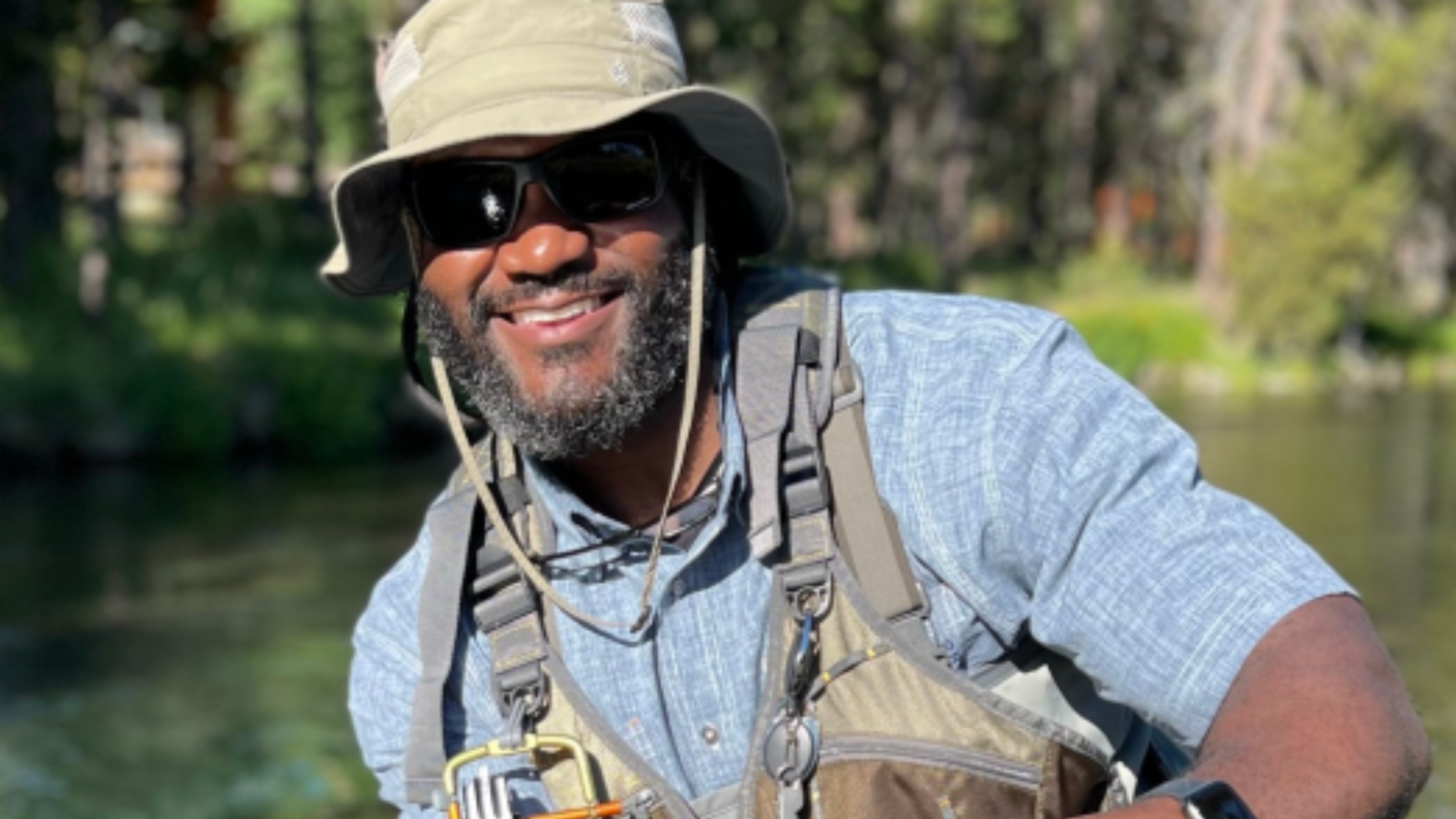
Meet your Guide Joseph
- Fishing out of Florida, Ray Charters will make you



Summary
Venture into the unexpected world of Mexican Mojarra fishing in the heart of Boston, MA. This surprising urban angling experience brings a taste of Central American waters to New England's bustling metropolis. Discover how the Mayaheros Urophthalmus, commonly known as the Mexican Mojarra, has found its way into Boston's diverse aquatic ecosystem, offering anglers a unique challenge amidst the city's iconic skyline. From the best fishing spots to the techniques that will help you land this feisty cichlid, this guide will equip you with everything you need to know for a successful Mexican Mojarra fishing expedition in Boston. Whether you're a seasoned angler or a curious novice, the opportunity to hook these olive-brown beauties with their distinctive blue-green stripes promises an unforgettable urban fishing adventure.
Mexican Mojarra: An Unexpected Guest in Boston Waters
The presence of Mexican Mojarra in Boston's waterways is a testament to the ever-changing nature of urban ecosystems. These resilient fish, originally from Central America, have adapted to the cooler waters of New England, creating a unique fishing opportunity for local and visiting anglers alike.
Identifying Mexican Mojarra
To successfully target Mexican Mojarra in Boston, it's crucial to know what you're looking for. These fish are characterized by their oval-shaped bodies, typically ranging from 3 to 15 inches in length. Their coloration is a distinctive olive-brown to beige, adorned with 6 to 8 eye-catching blue-green stripes across their bodies. A telltale black spot in the middle of their side helps distinguish them from other local species.
Best Fishing Spots in Boston
While Mexican Mojarra can be found in various locations around Boston, some spots have proven more productive than others. Focus your efforts around:
1. Charles River Basin: The calm waters near the Esplanade offer good opportunities.
2. Boston Harbor Islands: The rocky shorelines and jetties around the islands are prime habitat.
3. Pleasure Bay: This sheltered area in South Boston is known for its diverse fish population.
4. Neponset River: The estuary where it meets Dorchester Bay can be a hotspot for Mojarra.
Fishing Techniques and Bait
Mexican Mojarra are omnivorous, which gives anglers flexibility in their choice of bait and lures. Consider using:
- Small live bait such as worms or minnows
- Artificial lures like small jigs or soft plastics
- Light spinning tackle with 6-8 lb test line
- A float or bobber to keep your bait at the right depth
Conservation and Regulations
As a non-native species, it's important to follow local regulations regarding the catch and release of Mexican Mojarra. Always check with the Massachusetts Division of Fisheries and Wildlife for the most up-to-date information on fishing licenses and any specific rules regarding this species.
The Urban Angling Experience
Fishing for Mexican Mojarra in Boston offers a unique blend of city life and nature. As you cast your line, you'll be surrounded by the city's iconic architecture and bustling atmosphere, creating a contrast that makes this fishing experience truly one-of-a-kind. It's a perfect opportunity for city dwellers to connect with nature without leaving the urban environment.
Tips for a Successful Outing
1. Time your trip: Early mornings or late afternoons tend to be most productive.
2. Be patient: Mexican Mojarra can be finicky eaters; persistence is key.
3. Observe local wildlife: Keep an eye out for other species that might indicate the presence of Mojarra.
4. Respect the environment: Practice catch and release to help maintain the population.
Conclusion
Fishing for Mexican Mojarra in Boston is more than just an angling experience; it's an urban adventure that challenges your perception of city ecosystems. Whether you're aiming to add a unique catch to your fishing log or simply looking for an unconventional way to explore Boston, pursuing these Central American visitors in New England waters promises an exciting and memorable outing. So grab your gear, head to the waterfront, and prepare for a fishing experience that perfectly blends the thrill of the catch with the pulse of city life.