%2Ffit-in%2F250x250%2Fguide_websites%2F3816%2Fimages%2F1707930207480gcimage.webp&w=1920&q=100)
Caught a trophy Grass Carp in Boston
Grass Carp Fishing in Boston
4.0

1 Review
- 5
 0%
0% - 4
 100%
100% - 30%
- 20%
- 10%
%2F%2Fusers%2Feb120e43-02a5-428e-b5cf-75e8283853d0%2Fimages%2Ffishing-rod-calm-lake-boston-3715.png&w=1920&q=75)
Grass Carp (Ctenopharyngodon idella) are formidable freshwater fish from the Cyprinidae family. Originally native to eastern Asia, they've been introduced to many waterways worldwide for aquatic vegetation control. These powerful fish can reach impressive sizes, with specimens measuring between 16 and 59 inches in length and weighing anywhere from 40 to 97 pounds when fully mature. - Primarily herbivorous, feeding almost exclusively on aquatic vegetation - Can consume up to 40% of their body weight in plants daily - Known for powerful fights when hooked, making them popular among sport anglers - Thrive in lakes, rivers, and backcountry waterways with abundant vegetation
Guided Fishing Trip by Guide Laddu Kumar in December
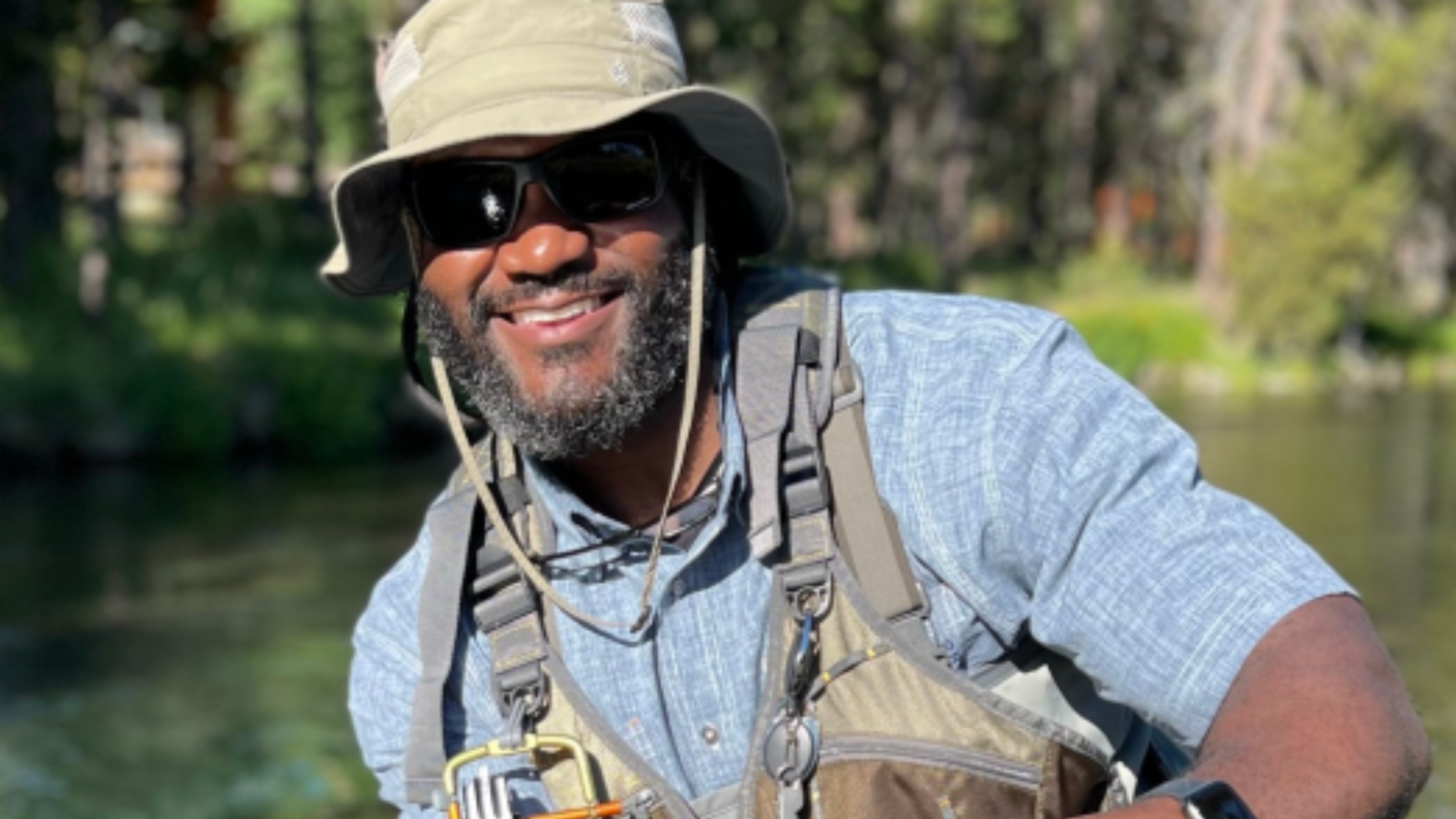
Meet your Guide Joseph
- Fishing out of Florida, Ray Charters will make you



Summary
Join us for an exciting Friday October fishing adventure on Boston's productive waters. Our river fishing trips offer the perfect opportunity to target trophy Grass Carp with expert guidance from Joseph. The fall season is prime time for fishing in Boston, with ideal water conditions and active fish patterns. Whether you're a seasoned angler or just getting started, our guided fishing trips provide everything you need for a successful day on the water. We focus on proven techniques specifically tailored to the local fishing environment, working productive areas where Grass Carp are known to feed. With Joseph's local knowledge and our well-equipped setup, you'll experience the best fishing Boston has to offer while creating lasting memories on the water.
Fishing Charter with Joseph – Rates & Booking
Guide Joseph of Joseph Company on Friday October offers the perfect opportunity to experience Boston's exciting river fishing. Our New fishing Sport Rate Card makes booking simple and affordable, with all necessary equipment provided for targeting trophy Grass Carp. The trip includes breakfast, lunch, and dinner, ensuring you stay fueled throughout your fishing adventure. As a licensed fishing guide with extensive local knowledge, Joseph knows exactly where to find the most productive fishing spots around Boston. Space is limited to just 1 guest per trip, providing a personalized experience tailored to your skill level and interests. Book your spot today to secure the best dates during this prime fall fishing season.
Highlights of New fishing Sport Rate Card
Our fishing adventures focus on targeting the challenging Grass Carp in Boston's river systems. These trips feature clear morning conditions that create perfect visibility for spotting feeding patterns and fish movement. You'll benefit from Joseph's expertise in local fishing techniques specifically developed for these waters, maximizing your chances for a successful day.
Fall fishing in Boston offers some of the year's most consistent action, with comfortable temperatures and active fish. We work productive areas using proven methods that have consistently delivered results for our clients. Whether you're looking to learn new fishing skills or simply want to experience the thrill of hooking into a powerful Grass Carp, our guided trips deliver an authentic Boston fishing experience you won't forget.
Local Species Insights: Grass Carp
Grass Carp in Boston's river systems offer a unique fishing challenge that combines stealth and precision. These powerful fish typically hold in areas with abundant vegetation and moderate current, requiring specialized techniques to entice them to strike. During fall months, they tend to feed more actively as they prepare for winter, making October an excellent time to target them.
When fishing for Grass Carp in Boston, we focus on areas with underwater structure and vegetation where these fish naturally feed. Our approach combines traditional bait presentation with specialized rigs designed specifically for these cautious feeders. The fighting ability of Grass Carp makes them a thrilling catch, often providing powerful runs and requiring careful handling. Their size potential—reaching weights between 40 and 97 pounds—means you're always in for a memorable battle when one takes your bait.
Plan Your Fishing Charter Day
For your Boston fishing adventure, we recommend comfortable clothing appropriate for the weather, as fall conditions can vary. All fishing equipment is provided, including quality rods, reels, and the specialized baits and rigs needed for targeting Grass Carp. Our trips begin early morning to take advantage of prime feeding times, with a typical meeting time of 9:00 AM at our designated launch location.
The boat is well-equipped with safety gear and fish-finding technology to maximize your chances of success. We maintain a relaxed yet focused atmosphere, ensuring both comfort and productivity throughout your trip. With meals included, you can concentrate entirely on the fishing experience while we handle all the details. Don't forget to bring a camera to document your catches and the beautiful Boston scenery you'll encounter throughout the day.
Fishing in Boston: Grass Carp
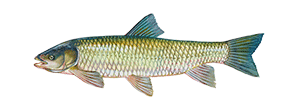
The Grass Carp (Ctenopharyngodon idella) is a fascinating member of the Cyprinidae family within the order Cypriniformes. These distinctive fish feature large, silvery scales with dark edges, a torpedo-shaped body, and a wide head that makes their eyes appear disproportionately small. In Boston waters this October, anglers target these vegetation-controlling powerhouses for their impressive fighting ability and challenging nature.
Grass Carp Overview
Grass Carp are large freshwater fish originally native to eastern Asia but now found in many controlled waterways across North America. They're primarily stocked as biological control agents for excessive aquatic vegetation, though they've developed passionate followings among sport fishermen for their size and fighting ability. Their powerful runs and cautious feeding habits make them a prized catch for anglers seeking a challenge.
Grass Carp Habitat and Distribution
These fish thrive in slow-moving or still freshwater environments with abundant vegetation, including lakes, ponds, rivers, and reservoirs. In Boston-area waters, they're typically found in slower sections of rivers and in lakes where aquatic plants flourish. They prefer areas with moderate temperatures and plentiful vegetation for both feeding and shelter, often holding near weed beds, lily pads, and other submerged plant structures.
Grass Carp Size and Weight
Grass Carp can reach impressive dimensions, typically measuring between 16 and 59 inches in length. Their weight range is equally impressive, with specimens weighing anywhere from 40 to 97 pounds when fully mature. This substantial size combined with their powerful muscular structure makes them formidable opponents when hooked, capable of making long, powerful runs that test both tackle and angler.
Grass Carp Diet and Behavior
True to their name, Grass Carp are primarily herbivorous, feeding almost exclusively on aquatic vegetation. They can consume up to 40% of their body weight in plants daily, making them efficient at controlling unwanted vegetation. They're most active during daylight hours, particularly during early morning and evening periods. Grass Carp are generally cautious feeders, often investigating potential food thoroughly before committing to it—a behavior that makes them challenging to hook consistently.
Grass Carp Spawning Season
Grass Carp typically spawn in late spring through early summer when water temperatures reach 68-86°F. They require flowing water for successful reproduction, as their semi-buoyant eggs need to remain suspended to develop properly. During spawning season, they become more active and may be found in faster-moving sections of rivers. In many stocked areas around Boston, however, reproduction is limited by either environmental factors or the intentional stocking of sterile triploid fish.
Grass Carp Fishing Techniques
Successfully targeting Grass Carp requires specialized approaches. Bait fishing with sweet corn, cherry tomatoes, bread, or specialized dough baits presented on hair rigs tends to be most effective. Free-lining these baits near visible feeding fish or placing them near weed beds where carp forage can produce results. In October, anglers around Boston often find them feeding more actively near shoreline vegetation as water temperatures begin to drop. Patience is essential—presenting baits naturally and waiting for the fish to commit fully before setting the hook improves success rates significantly.
Grass Carp Is It Good to Eat?
While not as commonly consumed in North America as in Asia, Grass Carp offers firm, white flesh with a mild flavor when properly prepared. The meat contains beneficial omega-3 fatty acids and high-quality protein. However, their bony structure can make filleting challenging. Traditional preparation methods include smoking, baking, or incorporating into soups and stews. Many anglers in Boston practice catch and release with Grass Carp, appreciating them more for their sporting qualities than their table value.
Grass Carp Frequently Asked Questions
Q: What is the best bait for Grass Carp?
A: Sweet corn, cherry tomatoes, bread balls, and specialized carp dough baits are most effective. Present these on hair rigs to allow the bait to float slightly off the bottom, making it more visible to feeding carp.
Q: Where can I find Grass Carp near Boston?
A: Look for Grass Carp in slower sections of local rivers, particularly areas with abundant aquatic vegetation, lily pads, or algae. Public lakes and ponds that have been stocked for vegetation control are also excellent locations.
Q: Is Grass Carp good to eat?
A: Grass Carp has white, firm flesh with a mild flavor. While popular as food fish in Asia, they're less commonly eaten in the United States. The meat is nutritious but bony, requiring specific preparation techniques to enjoy fully.
Q: When is the best time to catch Grass Carp?
A: Early morning and evening hours typically offer the best action. In Boston, the late spring through early fall provides optimal conditions, with October offering a good balance of active feeding before winter water temperatures set in.
Q: What tackle should I use for Grass Carp?
A: Medium-heavy to heavy rods paired with quality reels spooled with 15-20 lb test line are recommended. Use barbless hooks sized 6-8 on hair rigs to improve hookups and allow for easier catch-and-release if desired.
Q: Do Grass Carp fight hard when hooked?
A: Absolutely. Grass Carp are known for powerful, sustained runs that can strip line from your reel rapidly. Their strength and endurance make them prized sport fish that can fight for extended periods, especially larger specimens in the 40+ pound range.