%2Ffit-in%2F250x250%2Fguide_websites%2F3816%2Fimages%2F1707930207480gcimage.webp&w=1920&q=100)
Caught a goldfish Inshore in Boston Boston
Goldfish Inshore in Boston
4.5

16 Reviews
- 5
 69%
69% - 425%
- 3
 0%
0% - 20%
- 16%
%2F%2Fusers%2Feb120e43-02a5-428e-b5cf-75e8283853d0%2Fimages%2Fgoldfish-swimming-aquarium-boston-plants-5306.png&w=1920&q=75)
Goldfish (Carassius Auratus) belong to the Cyprinidae family and are more than just aquarium pets. In the wild or naturalized settings like Boston's Kaveri River Basin, they can reach impressive sizes between 1-19 inches and weigh from 1-10 pounds. - They adapt well to various freshwater habitats including ponds, lakes, streams, and ditches. - Despite their ornamental reputation, wild goldfish can be surprisingly sporty fighters on light tackle.
Guided Fishing Trip by Guide Laddu Kumar in December
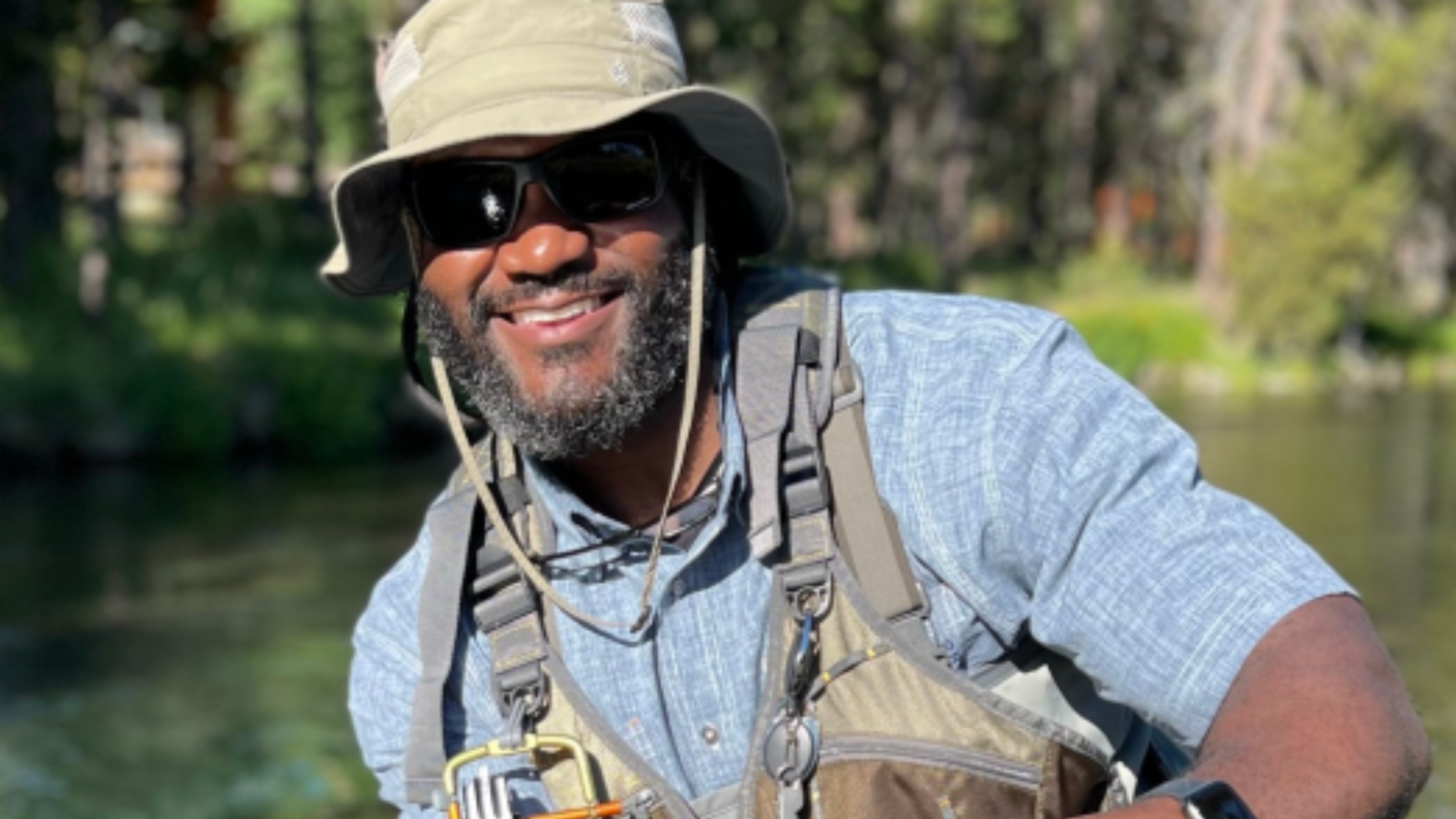
Meet your Guide Joseph
- Fishing out of Florida, Ray Charters will make you



Summary
This fall Wednesday November inshore fishing trip in Boston delivered non-stop action on light tackle. Perfect conditions in the Kaveri River Basin made for excellent sight fishing despite some scattered rain. Working structure and current breaks with Joseph Company's expertise produced a beautiful goldfish that fought impressively on light gear. Boston's inshore waters offer consistently productive fishing grounds with abundant structure and ideal current patterns. Whether you're new to fishing or looking to refine your light tackle skills, these local waters provide excellent opportunities for memorable catches, especially during the productive fall season.
Fishing Charter with Joseph – Rates & Booking
Guide Joseph of Laddu Guddu on Wednesday November led this productive inshore fishing trip. We focus on light tackle techniques that consistently produce results in Boston's productive waters. Our Fishing test trips target goldfish and other species using sight fishing methods that work particularly well in the Kaveri River Basin. All fishing equipment is provided, including the specialized light tackle needed for this technical style of fishing. With our local knowledge of structure and current patterns, we'll put you on fish throughout the day.
Highlights of Fishing test
This fall inshore trip showcased what makes Boston's fishing so special. Despite some rain, we enjoyed slick water conditions perfect for sight fishing. The Kaveri River Basin's structure and current breaks create ideal habitat for goldfish and other species. Using light tackle enhances the fight, making even modest-sized fish an exciting challenge.
The non-stop action continued throughout the day as we targeted productive areas where fish concentrate. Our local knowledge of these fishing grounds allows us to adjust tactics based on conditions, ensuring consistent results even when weather patterns shift. The goldfish we caught put up an impressive battle on the specialized light gear we use.
Local Species Insights: Goldfish
While goldfish aren't typically targeted by anglers in natural waters, Boston's unique Kaveri River Basin holds a population that provides interesting light tackle opportunities. These fish prefer slow-moving waters with plenty of structure and vegetation. They respond well to small lures and baits presented with finesse techniques.
The goldfish in this area grow larger than most people expect, making them surprisingly sporty on light tackle. They tend to concentrate around underwater structure and current breaks where they can ambush prey while conserving energy. Fall brings some of the best fishing as water temperatures cool and fish feed more actively in preparation for winter.
Plan Your Fishing Charter Day
For your Boston inshore fishing trip, we recommend comfortable, weather-appropriate clothing as conditions can change throughout the day. Our boat provides a stable, comfortable fishing platform with all necessary safety equipment on board. We accommodate solo anglers or small groups, ensuring personalized attention and plenty of fishing opportunities. Morning trips often provide the most consistent action, but we can arrange afternoon trips to accommodate your schedule. Bring a camera to document your catch, sunscreen, and any preferred snacks or beverages.
Fishing in Boston: Goldfish
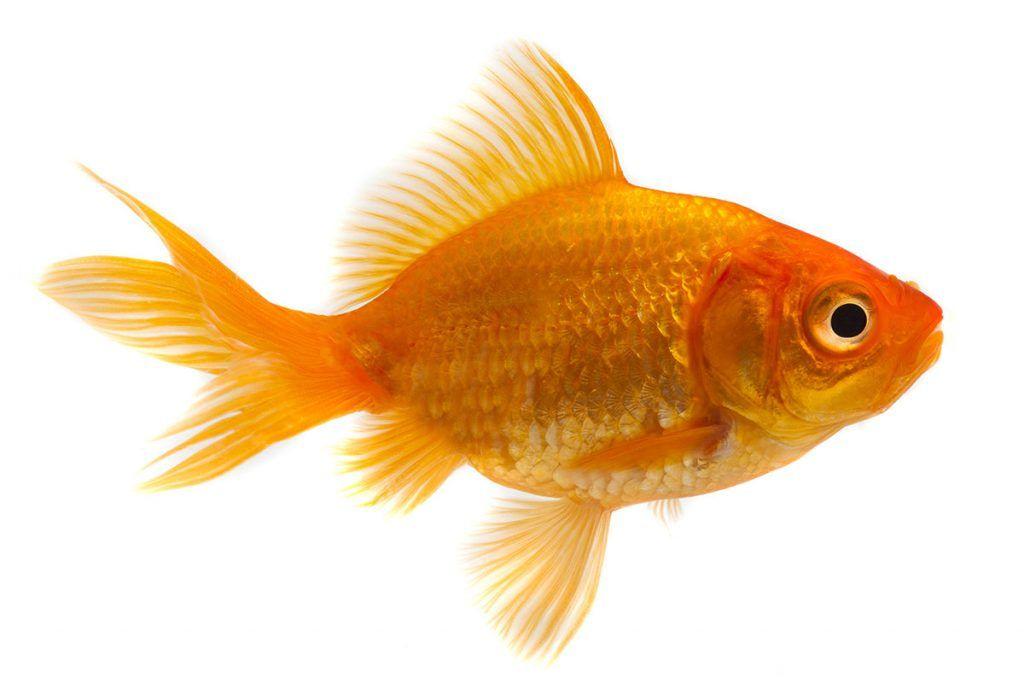
The Goldfish (Carassius Auratus) belongs to the Cyprinidae family in the order Cypriniformes. While most people know them as small aquarium pets, wild and naturalized goldfish can grow significantly larger and offer surprising angling opportunities. In Boston waters this November, these distinctive orange-gold fish provide an unexpected light tackle challenge.
Goldfish Overview
Goldfish are domesticated variants of wild carp originally bred in China over a thousand years ago for ornamental purposes. While primarily known as pets, established populations exist in many natural waterways where they've been introduced, including some waters near Boston. They're prized by some specialty anglers for their fighting ability relative to their size and their striking coloration.
Goldfish Habitat and Distribution
These adaptable fish thrive in slow-moving, vegetated freshwater environments including ponds, lakes, slow streams, and ditches. They prefer areas with abundant aquatic vegetation and soft, muddy bottoms. In the Kaveri River Basin area of Boston, they've established populations in protected areas with minimal current and plenty of structure.
Goldfish Size and Weight
While aquarium specimens typically remain small, wild goldfish can grow substantially larger. They typically range from 1 to 19 inches in length and can weigh between 1 and 10 pounds. The largest specimens are usually found in environments with abundant food sources and minimal predation.
Goldfish Diet and Behavior
Goldfish are omnivorous, feeding on plant matter, insects, crustaceans, and other small aquatic organisms. They're bottom-feeders by nature, using their specialized mouth structure to sift through substrate for food. They're most active during dawn and dusk hours, though they can be caught throughout the day. In fall months, they often feed more aggressively to build reserves for winter.
Goldfish Spawning Season
Goldfish typically spawn in spring when water temperatures reach 60-70°F. Males develop small white tubercles on their gills and pectoral fins during breeding season. Females release eggs that adhere to aquatic vegetation, with a single female capable of producing thousands of eggs. In Boston's waters, spawning usually occurs from April through June.
Goldfish Fishing Techniques
Light tackle is essential for an enjoyable goldfish fishing experience. Small bread balls, corn kernels, worms, and tiny jigs tipped with maggots are effective baits. Use 2-4 lb test line with small hooks (size 10-14) for best results. In November around Boston, anglers find them concentrated in deeper pools with structure as they prepare for colder temperatures. Fishing near underwater vegetation edges during mid-day when the water has warmed slightly often produces the best results.
Goldfish Is It Good to Eat?
While technically edible, goldfish are rarely targeted as food fish in North America. Their flesh is mild but can carry a muddy flavor depending on habitat. They contain beneficial protein and omega-3 fatty acids, though most anglers practice catch-and-release with goldfish due to their novelty and relatively small yield of meat.
Goldfish Frequently Asked Questions
Q: What is the best bait for goldfish?
A: Simple baits like bread balls, corn kernels, small worms, and maggots are most effective. Commercially prepared dough baits with sweet scents can also work well. Use very small portions on appropriately sized hooks.
Q: Where can I find goldfish near Boston?
A: Look for goldfish in slow-moving sections of the Kaveri River Basin, particularly areas with abundant aquatic vegetation and minimal current. Small ponds and protected coves connected to larger waterways often hold populations.
Q: Is goldfish good to eat?
A: While technically edible, goldfish aren't commonly eaten in North America. Their flesh is similar to common carp but typically yields less meat. Most anglers practice catch-and-release with goldfish.
Q: When is the best time to catch goldfish?
A: Early morning and evening hours typically produce the best results, though goldfish can be active throughout the day. In fall months like November, focus on sunny days when waters warm slightly during mid-day hours.
Q: What tackle should I use for goldfish?
A: Ultra-light spinning gear with 2-4 pound test line works best. Use small hooks (size 10-14) and minimal weights to present baits naturally. A sensitive rod tip helps detect their sometimes subtle bites.
Q: Are goldfish invasive in Boston waters?
A: Yes, goldfish are considered non-native and potentially invasive in Boston's waterways. They can disrupt native ecosystems by competing with indigenous species and stirring up bottom sediments that affect water clarity.