%2Ffit-in%2F250x250%2Fguide_websites%2F3816%2Fimages%2F1707930207480gcimage.webp&w=1920&q=100)
Landed a goldfish Inshore in Boston
Goldfish Fishing in Boston
%2F%2Fusers%2Feb120e43-02a5-428e-b5cf-75e8283853d0%2Fimages%2Fboston-goldfish-swimming-blue-water-11481.png&w=1920&q=75)
The Carassius Auratus belongs to the order Cypriniformes and family Cyprinidae. These colorful fish typically measure between 1 and 19 inches in length, with weights ranging from 1 to 10 pounds. - Native to East Asia but found in various freshwater environments worldwide. - Recognized by their bright orange-gold coloration and forked tails.
Guided Fishing Trip by Guide Laddu Kumar in December
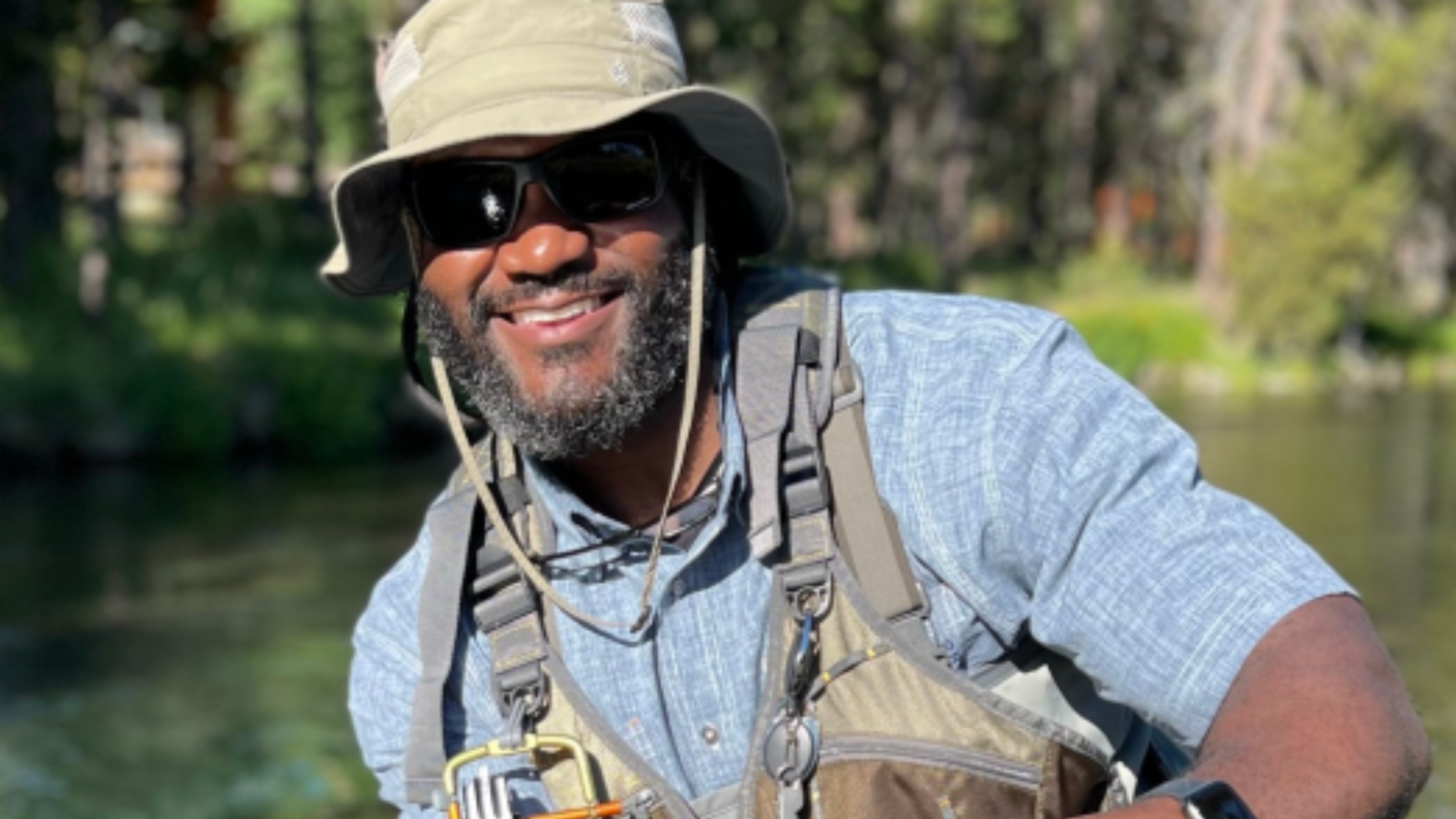
Meet your Guide Joseph
- Fishing out of Florida, Ray Charters will make you



Summary
Experience Boston's unique inshore fishing with Laddu Guddu on a Monday December morning. Our drift fishing and light tackle techniques are perfect for anglers of all skill levels looking to target goldfish in Boston's productive waters. With partly cloudy skies and comfortable winter conditions, we had action-packed fishing from the start. The Cape area offers fantastic opportunities for sight fishing and working various structures where goldfish thrive. Whether you're new to fishing or an experienced angler, our local knowledge and personalized approach ensure you'll enjoy your time on the water. Book your inshore fishing charter today and let's create some wicked good memories on Boston's waters!
Fishing Charter with Laddu Kumar – Rates & Booking
Guide Laddu Kumar of Laddu Guddu on Monday December offers an action-packed Inshore Fishing Adventure perfect for anglers looking to experience Boston's unique fishing opportunities. Our trips focus on productive drift fishing and light tackle techniques that work well in our local waters. All fishing equipment is provided, and we welcome guests of all experience levels. The partly cloudy winter conditions create ideal fishing opportunities around The Cape area, with manageable boat traffic during our early morning departures. Book your adventure today to experience what makes Boston's inshore fishing so special.
Highlights of Inshore Fishing Adventure in Gulfshore
Our most popular trip combines the thrill of catching goldfish with the beauty of Boston's scenic waterways. Using specialized drift fishing and light tackle techniques, you'll have the opportunity to target goldfish that inhabit our local structures and current breaks. The winter months offer exceptional fishing conditions with comfortable temperatures and less boat traffic.
This trip is perfect for families and anglers of all ages, with opportunities for sight fishing when conditions allow. At the end of your trip, we'll clean and package your catch so you can take home fresh fish without the hassle. Our early morning starts maximize your time on the water and increase your chances of landing that memorable goldfish.
Local Species Insights: Goldfish
Boston's waters provide an unusual but exciting opportunity to target goldfish in their natural habitat. These colorful fish are typically found around structure and current breaks where they feed actively. The winter months offer some of the best opportunities to catch these striking fish using drift fishing techniques and light tackle. The partly cloudy conditions we often experience create perfect visibility for sight fishing when the opportunity presents itself. Goldfish may not be the typical target for most anglers, but they provide a unique fishing experience that's both challenging and rewarding in Boston's waters.
Plan Your Fishing Charter Day
For your Boston fishing adventure, plan to arrive early as we like to get on the water at first light when the fish are most active. Dress in layers for our winter trips, as mornings can be cool but temperatures often rise throughout the day. Our boat is fully equipped with all the fishing gear you'll need, including specialized light tackle perfect for targeting goldfish. With a maximum of one guest per trip, you'll receive personalized attention and guidance throughout your fishing experience. Don't forget to bring sunscreen, a hat, polarized sunglasses, and a camera to document your catch!
Fishing in Boston: Goldfish
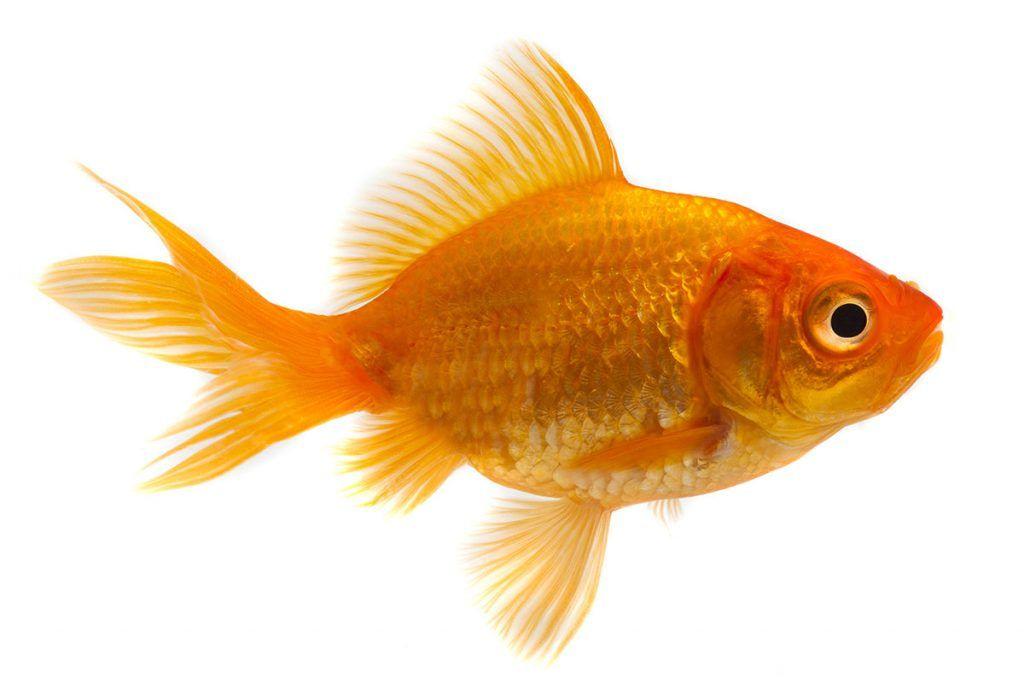
The Goldfish (Carassius auratus) belongs to the Cyprinidae family and Cypriniformes order. These brightly colored fish are instantly recognizable by their vibrant orange-gold coloration and forked tails. While not typically targeted by anglers in Boston waters, these adaptable fish have established populations in various freshwater systems throughout the region.
Goldfish Overview
Goldfish are domesticated carp originally bred for ornamental purposes in ancient China but have since established wild populations in many parts of the world. They're remarkably hardy fish that can survive in various water conditions, making them successful in Boston's diverse aquatic environments.
Goldfish Habitat and Distribution
In Boston, goldfish can be found in ponds, lakes, slow-moving streams, and even drainage ditches. They prefer calm waters with abundant vegetation and soft substrates where they can forage. These fish thrive in areas with dense aquatic plants that provide cover and contain their preferred food sources.
Goldfish Size and Weight
While aquarium goldfish typically remain small, wild specimens can grow substantially larger. In natural settings, they commonly reach 1-10 inches, but can grow up to 19 inches and weigh up to 10 pounds when conditions are favorable. The largest specimens are usually found in less disturbed water bodies with abundant food sources.
Goldfish Diet and Behavior
Goldfish are omnivorous bottom feeders that consume plant matter, insects, crustaceans, and small invertebrates. They feed by rooting through substrate and vegetation, often stirring up silt and debris as they search for food. They're most active during dawn and dusk, making these prime times for anglers targeting them.
Goldfish Spawning Season
In Boston waters, goldfish typically spawn in late spring when water temperatures reach 50-68°F. During this time, males chase females through vegetation where adhesive eggs are scattered and fertilized. A single female can produce thousands of eggs, contributing to their successful establishment in new habitats.
Goldfish Fishing Techniques
When targeting goldfish, light tackle setups with 4-6 pound test line work best. Small hooks baited with corn, bread, worms, or specialized dough baits are effective. Drift fishing near vegetation or sight fishing in clear water can be productive methods. In December around Boston, anglers often find goldfish congregating in deeper, warmer pockets of water where metabolism slows but feeding continues.
Goldfish Is It Good to Eat?
While edible, goldfish aren't typically harvested for food in North America. They have a mild, somewhat muddy flavor similar to common carp. Their meat contains beneficial protein and omega-3 fatty acids, but they're generally considered more valuable as ornamental fish or for sport fishing rather than consumption.
Goldfish Frequently Asked Questions
Q: What is the best bait for goldfish?
A: Goldfish respond well to corn, bread balls, small worms, and specialized carp baits. In Boston waters, sweet corn is particularly effective, especially when presented near bottom structure.
Q: Where can I find goldfish near Boston?
A: Look for goldfish in Boston's public ponds, slow-moving sections of streams, and protected coves of larger lakes. The Jamaica Pond and areas around The Fens often hold populations of established goldfish.
Q: Is goldfish good to eat?
A: While edible, goldfish aren't commonly eaten in the United States. They have a mild flavor but can taste muddy depending on their habitat. Most anglers practice catch and release with goldfish.
Q: When is the best time to catch goldfish?
A: Early morning and evening hours are typically best for goldfish fishing. In winter months like December in Boston, midday fishing can be productive as the sun warms shallow waters slightly, increasing fish activity.
Q: How big do goldfish get in Boston waters?
A: In Boston's natural waterways, goldfish commonly reach 6-12 inches, though specimens up to 19 inches have been documented in optimal habitat conditions with abundant food sources.
Q: Are goldfish invasive in Boston?
A: Yes, goldfish are considered non-native and potentially invasive in Boston's waterways. They can disrupt native ecosystems by uprooting vegetation and competing with native fish species for resources.