%2Ffit-in%2F250x250%2Fguide_websites%2F3816%2Fimages%2F1707930207480gcimage.webp&w=1920&q=100)
Caught a goldfish Inshore in Boston
Goldfish Inshore in Boston
4.5

16 Reviews
- 5
 69%
69% - 425%
- 3
 0%
0% - 20%
- 16%
%2F%2Fusers%2Feb120e43-02a5-428e-b5cf-75e8283853d0%2Fimages%2Fgoldfish-fishing-adventure-boston-ma-5526.png&w=1920&q=75)
The Goldfish (Carassius Auratus) is a freshwater fish in the carp family Cyprinidae, order Cypriniformes. These vibrant fish are highly adaptable to various water conditions and can be found in ponds, lakes, streams, and even ditches around Boston. - Goldfish typically range from 1-19 inches long and can weigh between 1-10 pounds in the wild. - Originally domesticated in China over a thousand years ago, they're now found in waterways worldwide. - Despite their ornamental reputation, wild goldfish can be surprisingly resilient and grow much larger than their aquarium counterparts.
Guided Fishing Trip by Guide Laddu Kumar in December
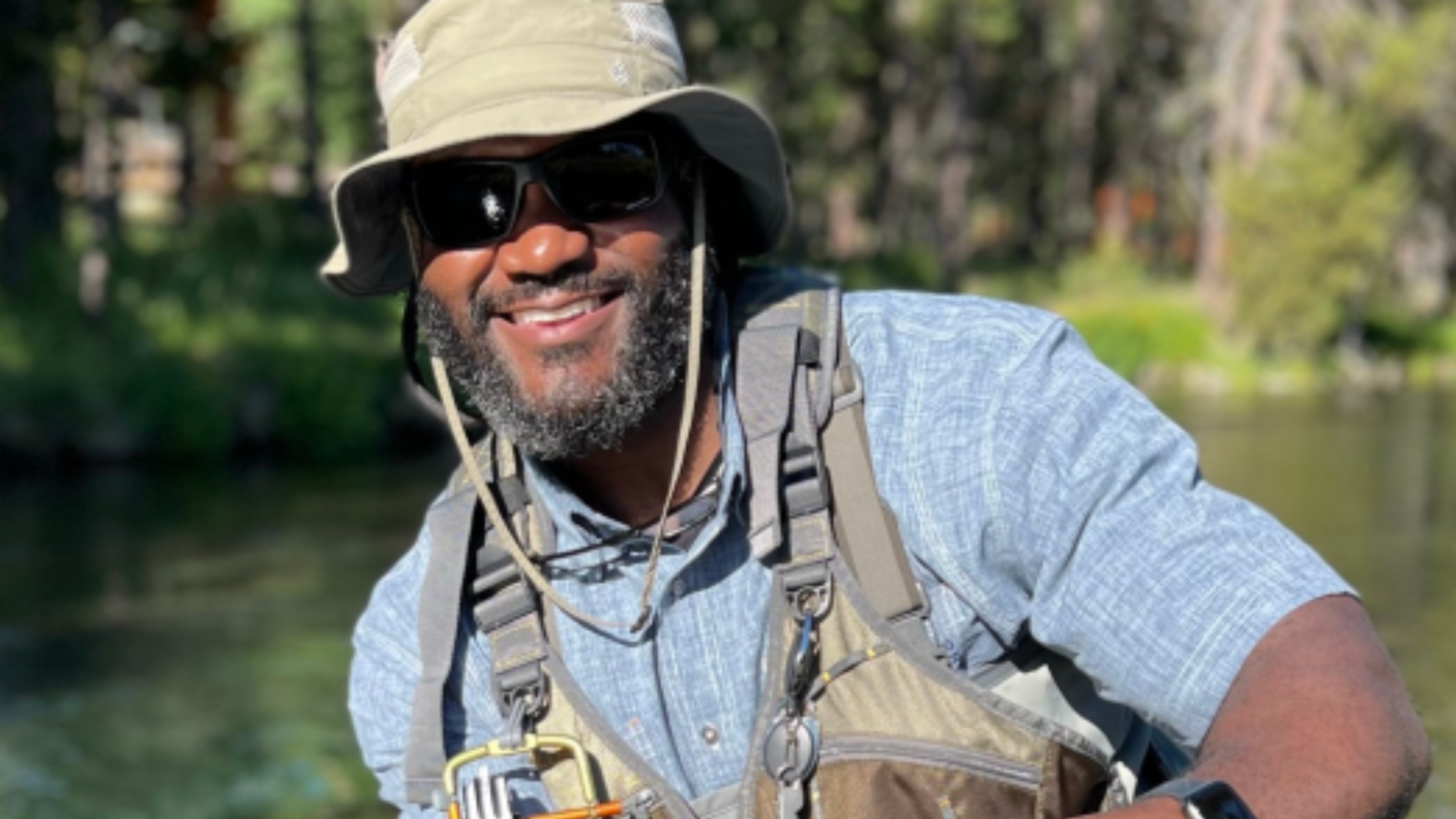
Meet your Guide Joseph
- Fishing out of Florida, Ray Charters will make you



Summary
Tuesday November delivered perfect conditions for our inshore fishing trip in Boston, MA. The Kaveri River Basin offered solid water with partly cloudy skies—ideal for targeting goldfish using light tackle techniques. We focused on live bait presentations that consistently produce results in these productive Boston waters. The combination of early morning timing and proper approach led to exciting catches throughout the day. Boston's inshore fishing scene continues to impress local anglers, especially when working the right spots with proven methods. If you're looking for a memorable guided fishing trip that delivers consistent action, these local waters won't disappoint, particularly during fall when the bite remains active and the waterways are less crowded.
Fishing Charter with Joseph – Rates & Booking
Guide Joseph of Laddu Guddu on Tuesday November provides personalized inshore fishing trips targeting goldfish and other local species. All fishing equipment is provided, including quality rods, reels, and tackle suited specifically for Boston's inshore waters. His local knowledge of the Kaveri River Basin ensures you'll be positioned where the fish are biting. Trips include live bait, fishing licenses, and fish cleaning services. For rates and availability, check the booking calendar—morning trips tend to fill quickly during peak season months.
Highlights of Fishing test
Our November inshore trip delivered consistent goldfish action from the start. Using light tackle and live bait techniques, we found success targeting specific structures in the Kaveri River Basin. The water conditions remained favorable throughout most of the trip, though afternoon rain moved in later. Even with just one angler on board, the experience proved highly productive with multiple goldfish catches.
Boston's inshore waters in fall offer excellent opportunities for targeting goldfish. The combination of proper technique and local knowledge makes all the difference—working specific areas with the right presentation consistently produces results. The partly cloudy conditions created ideal visibility both for spotting fish and for presenting baits effectively.
Local Species Insights: Goldfish
Goldfish in Boston's waters provide a unique fishing opportunity that many anglers overlook. These fish thrive in the pond and lake environments connected to the Kaveri River Basin. While not typically considered a target species, catching them requires precise technique with light tackle and small, natural baits. They're most active during morning hours, especially in areas with aquatic vegetation and moderate depths. Their vibrant orange coloration makes them particularly exciting to spot before they take your bait. The November timing of our trip coincided with a period when these fish are actively feeding before colder winter temperatures arrive.
Plan Your Fishing Charter Day
For your Boston inshore fishing adventure, plan to arrive early as trips typically depart at first light when the bite is strongest. Dress in layers for comfort as November weather can change quickly. The vessel accommodates small groups, making this perfect for personalized instruction and maximum fishing opportunity. A light rain jacket is recommended as afternoon showers are common this time of year. Water and basic snacks are provided, but feel free to bring additional refreshments for your day on the water. The Kaveri River Basin fishing grounds are just a short run from the launch point, maximizing your actual fishing time during the charter.
Fishing in Boston: Goldfish
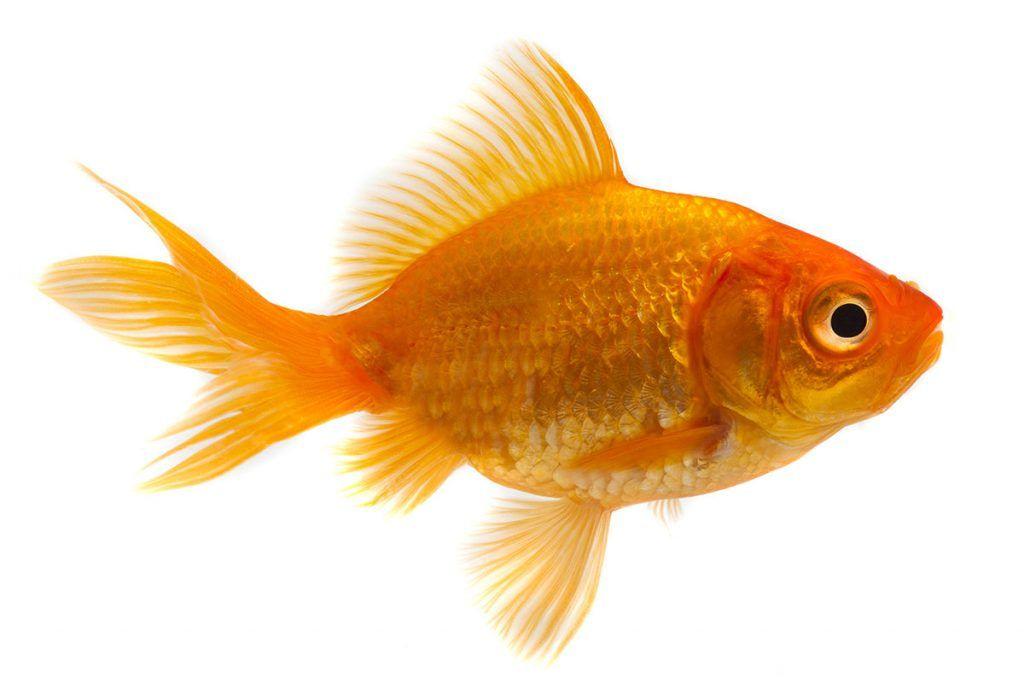
Goldfish (Carassius Auratus), members of the Cyprinidae family within the order Cypriniformes, are one of the most recognizable freshwater fish worldwide. Known for their distinctive bright orange to golden coloration, these fish feature a gradient that transitions from vibrant orange at the dorsal to a more golden hue along their sides. In Boston waters this November, wild goldfish populations demonstrate remarkable adaptability to local conditions.
Goldfish Overview
Originally domesticated in China over a thousand years ago, goldfish have become established in many natural waterways through release or escape from captivity. They're prized by some specialty anglers for their fighting ability despite their ornamental reputation, and wild specimens often grow significantly larger than their tank-raised counterparts.
Goldfish Habitat and Distribution
Goldfish thrive in slow-moving freshwater environments including ponds, lakes, streams, and drainage ditches. They prefer areas with abundant aquatic vegetation and can tolerate a wide range of water conditions, including relatively low oxygen levels. Around Boston, populations have established in various freshwater systems including the Kaveri River Basin where they often concentrate in warmer backwaters.
Goldfish Size and Weight
While aquarium goldfish typically remain small, wild specimens can reach impressive sizes. In natural settings, goldfish commonly grow between 1-19 inches in length and can weigh anywhere from 1-10 pounds. The largest specimens are usually found in environments with abundant food sources and minimal predation.
Goldfish Diet and Behavior
These opportunistic omnivores feed primarily on plant matter, algae, small crustaceans, insect larvae, and detritus. They're bottom-foragers that sift through substrate looking for food, creating visible mud clouds when actively feeding. Goldfish are most active during dawn and dusk hours, making these prime times for targeting them.
Goldfish Spawning Season
Goldfish typically spawn in spring when water temperatures reach 50-70°F. During this period, males develop small white tubercles on their gills and pectoral fins. Females release adhesive eggs that attach to aquatic vegetation, with each female capable of producing thousands of eggs per spawning event.
Goldfish Fishing Techniques
Light tackle is essential for goldfish, with 4-6 pound test line being ideal. Small hooks baited with corn, bread balls, peas, or worms prove highly effective. Fish near submerged vegetation, particularly in shallow, warmer waters less than 10 feet deep. In November, anglers around Boston find goldfish concentrating in deeper pools as water temperatures drop, making small jigs tipped with natural baits particularly effective.
Goldfish Is It Good to Eat?
While edible, goldfish aren't typically targeted as food fish in North America. They have a mild, somewhat muddy flavor and contain numerous small bones. Those who do prepare them often prefer smoking or frying methods after thorough cleaning. Their nutritional profile includes moderate protein content and omega-3 fatty acids, though wild specimens should be consumed with caution due to potential contaminants in urban waterways.
Goldfish Frequently Asked Questions
Q: What is the best bait for goldfish?
A: Sweet corn, bread balls, peas, and small worms are all excellent baits for goldfish. They're particularly attracted to bright-colored baits that stand out against bottom substrate.
Q: Where can I find goldfish near Boston?
A: Look for goldfish in sheltered ponds, slow-moving streams, and protected areas of the Kaveri River Basin. Focus on locations with abundant aquatic vegetation and relatively warm water.
Q: Is goldfish good to eat?
A: While technically edible, goldfish aren't considered premium table fare. They're rarely targeted specifically for food in North America due to their bony structure and sometimes muddy taste.
Q: When is the best time to catch goldfish?
A: Early morning and evening hours typically provide the best goldfish action. In Boston, late spring through early fall offers optimal conditions, though they can be caught year-round.
Q: How big do wild goldfish get?
A: Wild goldfish can grow surprisingly large, reaching up to 19 inches and weighing up to 10 pounds in favorable conditions, much larger than their aquarium counterparts.
Q: Are goldfish invasive in Massachusetts waters?
A: Yes, goldfish are considered an invasive species in Massachusetts waterways. They can disrupt local ecosystems by competing with native fish for resources and stirring up bottom sediment that affects water clarity and plant growth.