%2Ffit-in%2F250x250%2Fguide_websites%2F3816%2Fimages%2F1707930207480gcimage.webp&w=1920&q=100)
Expert Fishing Techniques at Boston Logan Airport: Weather-Ready Tips
Mastering Airport Fishing: Boston Logan's Hidden Treasures
%2Ffilters%3Aformat(webp)%2F%2F1d61908e-0561-4217-93fa-27100155b09b%2Freport%2Fsocial%2Fimages%2Freport%2Fboston-airport-fishing-techniques-weather-8223.png&w=1920&q=75)
Guided Fishing Trip by Guide Laddu Kumar
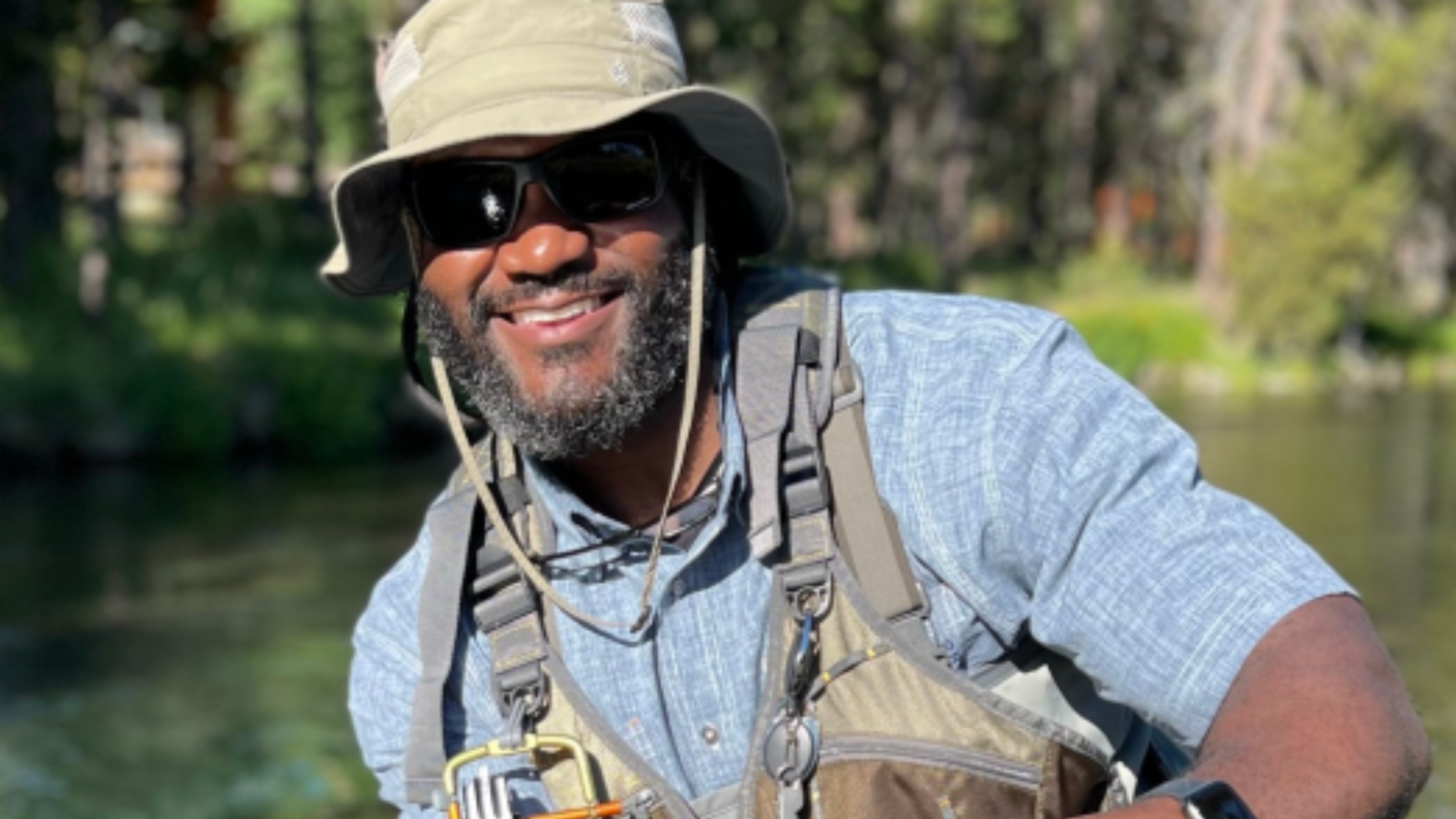
Meet your Guide Joseph
- Fishing out of Florida, Ray Charters will make you



Summary
Uncover the hidden angling gems at Boston Logan International Airport, where stormy skies set the stage for an extraordinary fishing adventure. This comprehensive guide explores expert techniques tailored for Logan's unique waterfront, ensuring a successful catch regardless of weather conditions. From the best spots around the airport perimeter to insider tips on equipment and bait selection, we'll equip you with the knowledge to make the most of your fishing excursion. Discover how to navigate the challenges of airport regulations while maximizing your chances of landing prized local species. Whether you're a seasoned angler or a curious traveler with a layover, this article will transform your perception of airport downtime into an exciting opportunity for urban fishing. Prepare to cast your line into the waters of Boston Harbor and experience a truly one-of-a-kind fishing trip that combines the thrill of the catch with the convenience of air travel.
Navigating Logan's Fishing Hotspots
Boston Logan International Airport may be known for its bustling terminals, but it's also a gateway to some of the city's most surprising fishing locations. The airport's proximity to Boston Harbor provides anglers with unique access to rich marine ecosystems. Key fishing spots include the shoreline near Terminal E, where the deeper waters attract a variety of species, and the quieter coves near the rental car center, perfect for those seeking a more secluded experience.
Terminal E Fishing Pier
This often-overlooked spot offers excellent opportunities for catching striped bass and bluefish. The pier's location allows for deep water access, making it ideal for both casting and bottom fishing techniques. Early mornings and late evenings tend to yield the best results, especially during the summer months when fish are most active.
Rental Car Center Coves
For a more peaceful fishing experience, the small coves near the rental car center provide shelter from both the wind and airport noise. These areas are particularly good for flounder and black sea bass fishing. The calmer waters here also make it an excellent spot for beginners or those fishing with children.
Weather-Ready Fishing Techniques
Boston's unpredictable weather doesn't have to put a damper on your fishing plans. With the right techniques, you can turn challenging conditions into your advantage.
Stormy Sky Strategies
When dark clouds loom, many fish become more active, sensing the change in barometric pressure. Use this to your advantage by switching to brighter lures that stand out in murky water. Topwater lures can be particularly effective just before a storm, as fish often feed more aggressively during this time.
Wind-Resistant Casting
Logan's open areas can be quite windy, making casting challenging. Practice sidearm casting techniques to keep your line low and reduce wind resistance. Additionally, opt for heavier lures or add weights to your line to maintain accuracy in gusty conditions.
Essential Gear for Airport Angling
Fishing at an airport requires some specialized gear considerations. Light, collapsible rods are ideal for easy transport through the terminal. Ensure you have a variety of lures suitable for both clear and murky water conditions. Don't forget to pack a small, TSA-compliant multi-tool for handling fish and making quick gear adjustments.
TSA-Friendly Tackle Box
Create a compact, airport-security-friendly tackle box by focusing on essential items. Include a selection of hooks, sinkers, and artificial lures. Opt for soft plastic baits over live bait to avoid any issues with airport regulations. Remember to check the latest TSA guidelines before packing your fishing gear.
Maximizing Your Catch During Layovers
Even a short layover can turn into a productive fishing session with the right approach. Familiarize yourself with the airport layout and closest access points to fishing spots before your trip. Consider joining local fishing groups or forums to get up-to-date information on what's biting and where.
Quick-Trip Tactics
For those with limited time, focus on high-probability areas and use techniques that allow for quick set-up and takedown. Spinning reels with pre-tied rigs can save valuable minutes. Keep a close eye on your watch and set alarms to ensure you don't miss your connecting flight while engrossed in the thrill of the catch.