%2Ffit-in%2F250x250%2Fguide_websites%2F3816%2Fimages%2F1707930207480gcimage.webp&w=1920&q=100)
Caught a Bluegill Inshore in Boston
Bluegill Inshore in Boston
5.0

1 Review
- 5
 100%
100% - 4
 0%
0% - 30%
- 20%
- 10%
%2F%2Fusers%2Feb120e43-02a5-428e-b5cf-75e8283853d0%2Fimages%2Fbluegill-catch-boston-lake-fishing-10803.png&w=1920&q=75)
The Bluegill (Lepomis macrochirus) is a member of the sunfish family found throughout Boston's freshwater environments. These popular panfish typically measure between 6-16 inches and weigh 1-2 pounds when fully grown. They thrive in lakes, ponds, and slow-moving rivers where structure is abundant. - Known for putting up a spirited fight on light tackle despite their size - Popular target for both new and experienced anglers - Excellent eating fish with firm, sweet white meat
Guided Fishing Trip by Guide Laddu Kumar in December
Meet your Guide Joseph
- Fishing out of Florida, Ray Charters will make you



Summary
Tuesday December brought perfect conditions for our Boston Fishing adventure. We launched early morning with partly cloudy skies that made for ideal inshore fishing. Using proven bottom fishing and jigging techniques, we targeted the productive bluegill spots throughout Boston's waters. The drift fishing approach proved effective as we worked structure-rich areas that consistently hold fish. Winter in Boston offers some of the most rewarding bluegill opportunities, with the fish actively feeding around key structure. Whether you're an experienced angler or just getting started, our guided fishing trips provide everything needed for a successful day on the water - from quality gear to local knowledge that puts you on fish.
Fishing Charter with Joseph – Rates & Booking
Guide Joseph of Laddu Guddu on Tuesday December offers personalized Boston Fishing trips focused on inshore techniques. All necessary fishing equipment is provided, including quality rods, reels, and tackle specifically chosen for bluegill fishing in Boston waters. Our trips typically run 4-6 hours, giving you plenty of time to target productive fishing spots throughout the area. Booking is straightforward - just check the Fishing Rate Card for current pricing and availability, then reserve your date online to secure your spot.
Highlights of Fishing Rate Card
Our Boston inshore fishing trips specialize in targeting bluegill using proven techniques like bottom fishing and jigging. The winter season creates excellent conditions for bluegill fishing, as we know exactly where they congregate this time of year. The fishing grounds around Boston offer consistent action, with structure-rich areas that hold healthy populations of bluegill.
Drift fishing proves particularly effective in these waters, allowing us to cover productive areas systematically. The partly cloudy conditions we often experience create ideal light penetration that triggers active feeding periods throughout the day. Whether you're looking to learn new techniques or simply enjoy a productive day on the water, our local knowledge ensures you experience the best Boston has to offer.
Local Species Insights: Bluegill
Bluegill are among the most rewarding freshwater species to target in Boston's waters. These panfish might not be the largest catch, but they more than make up for it with their abundance and sporting fight. Found predominantly around structure in Boston's freshwater bodies, bluegill respond well to light tackle presentations with small jigs and live bait. The winter months often see concentrated schools in deeper, structure-rich areas where water temperatures remain more stable. The consistent action makes bluegill fishing perfect for anglers of all skill levels, especially those looking to practice their technique or enjoy steady action throughout the day.
Plan Your Fishing Charter Day
For your Boston Fishing adventure, dress appropriately for the weather conditions, as December temperatures can vary. We recommend layering clothing that can be adjusted throughout the day. Bringing sunscreen, polarized sunglasses, and a hat is always advisable, regardless of cloud cover. Our vessel comfortably accommodates guests with ample fishing space and basic amenities. Morning trips typically begin around sunrise when the fish are most active, but we can adjust start times based on weather and fishing conditions. The equipment provided includes quality fishing rods, reels, and terminal tackle specifically chosen for targeting bluegill in Boston waters.
Fishing in Boston: Bluegill
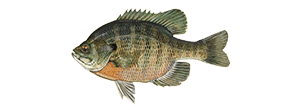
Bluegill (Lepomis macrochirus) belongs to the Centrarchidae family and Perciformes order. These popular panfish are distinguished by their small mouth, compressed body shape, and the characteristic dark blue coloration extending from their gill plate to their ear. In Boston waters this December, bluegill provide reliable action for anglers targeting structure-rich areas.
Bluegill Overview
Bluegill are among North America's most popular and widespread panfish. Their popularity stems from their abundance, willingness to bite, and excellent table fare. These fish are often the first species many anglers catch, earning them the nickname "the people's fish" due to their accessibility to anglers of all skill levels.
Bluegill Habitat and Distribution
These adaptable fish thrive in lakes, ponds, and slow-moving rivers with abundant vegetation and structure. In Boston area waters, bluegill concentrate around submerged logs, weed edges, docks, and other cover. During winter months, they typically move to deeper water where temperatures remain more stable, often schooling in basin areas or near underwater structure.
Bluegill Size and Weight
While bluegill typically range from 6 to 16 inches in length and 1 to 2 pounds in weight, trophy specimens are considered anything over 10 inches. The average catch in Boston waters tends to be 7-9 inches, providing ideal eating size while maintaining healthy populations.
Bluegill Diet and Behavior
Bluegill are opportunistic feeders that primarily consume aquatic insects, small crustaceans, zooplankton, and occasionally small minnows. They feed throughout the water column but prefer to stay near protective cover. Their feeding patterns typically peak during early morning and evening hours, though winter can see midday activity when water temperatures warm slightly.
Bluegill Spawning Season
Bluegill typically spawn when water temperatures reach 65-80°F, usually from late spring through summer. Males create distinct circular nests in shallow water, forming large colonies called beds. After spawning, males guard both the eggs and newly hatched fry, making them vulnerable to anglers during this period as they aggressively defend their territory.
Bluegill Fishing Techniques
Light tackle is essential for bluegill fishing, with 2-6 pound test line being ideal. Small jigs (1/32 to 1/8 oz) tipped with live bait like worms, waxworms, or crickets are consistently productive. In December, Boston anglers find success fishing deeper structure using slow presentations, often suspending baits under small floats at specific depths. Ice fishing techniques can be particularly effective when conditions permit, using tiny jigs tipped with waxworms or spikes.
Bluegill Is It Good to Eat?
Bluegill are excellent table fare, offering sweet, firm white flesh with a mild flavor. They're best prepared simply - either pan-fried with a light breading or baked with minimal seasoning to preserve their delicate taste. Nutritionally, they're a good source of protein and contain beneficial omega-3 fatty acids while being low in mercury compared to larger predator species.
Bluegill Frequently Asked Questions
Q: What is the best bait for bluegill?
A: Live baits like worms, waxworms, and crickets are consistently effective. In winter months around Boston, small jigs tipped with waxworms or artificial micro-plastics in white or chartreuse colors tend to produce the best results.
Q: Where can I find bluegill near Boston?
A: Boston's numerous ponds, lakes, and slow-moving river sections all hold healthy bluegill populations. Specifically, look for areas with submerged structure, weed edges, docks, or fallen trees. In December, focus on deeper areas (8-15 feet) adjacent to these structures.
Q: Is bluegill good to eat?
A: Yes, bluegill is considered one of the best-tasting freshwater fish. Their white, flaky meat has a mild, sweet flavor that even people who typically don't enjoy fish often appreciate. They're best eaten fresh and simple preparation methods highlight their natural flavor.
Q: When is the best time to catch bluegill?
A: Bluegill can be caught year-round, but spring through early summer offers peak action as they move shallow to spawn. In Boston's winter months, target them during mid-afternoon when water temperatures are slightly warmer, focusing on deeper water adjacent to structure.
Q: What size hook should I use for bluegill?
A: Small hooks are essential - sizes 6-10 work best as bluegill have small mouths. Aberdeen-style hooks are particularly effective as they're thin and less likely to damage live bait while still providing good hook-ups.
Q: Do bluegill fight hard for their size?
A: Yes, bluegill are known for putting up a surprisingly strong fight relative to their size. Their deep, laterally compressed bodies give them leverage in the water, and they'll often make multiple runs and even aerial jumps when hooked on light tackle.