%2Ffit-in%2F250x250%2Fguide_websites%2F3816%2Fimages%2F1707930207480gcimage.webp&w=1920&q=100)
Caught a Atlantic Sharpnose Shark Inshore in Boston
Atlantic Sharpnose Shark Inshore in Boston
4.5

16 Reviews
- 5
 69%
69% - 425%
- 3
 0%
0% - 20%
- 16%
%2F%2Fusers%2Feb120e43-02a5-428e-b5cf-75e8283853d0%2Fimages%2Fboston-atlantic-sharpnose-shark-catch-10115.png&w=1920&q=75)
The Atlantic Sharpnose Shark is a smaller coastal species commonly found in Boston's inshore waters throughout the year. Despite their modest size, these sharks put up impressive fights that make them popular targets for light tackle anglers. - Typically measures 39-48 inches with weights of 7-9 pounds. - Recognizable by its pointed snout and white spots along its sides. - Prefers shallow, warm water habitats close to shore.
Guided Fishing Trip by Guide Laddu Kumar in December
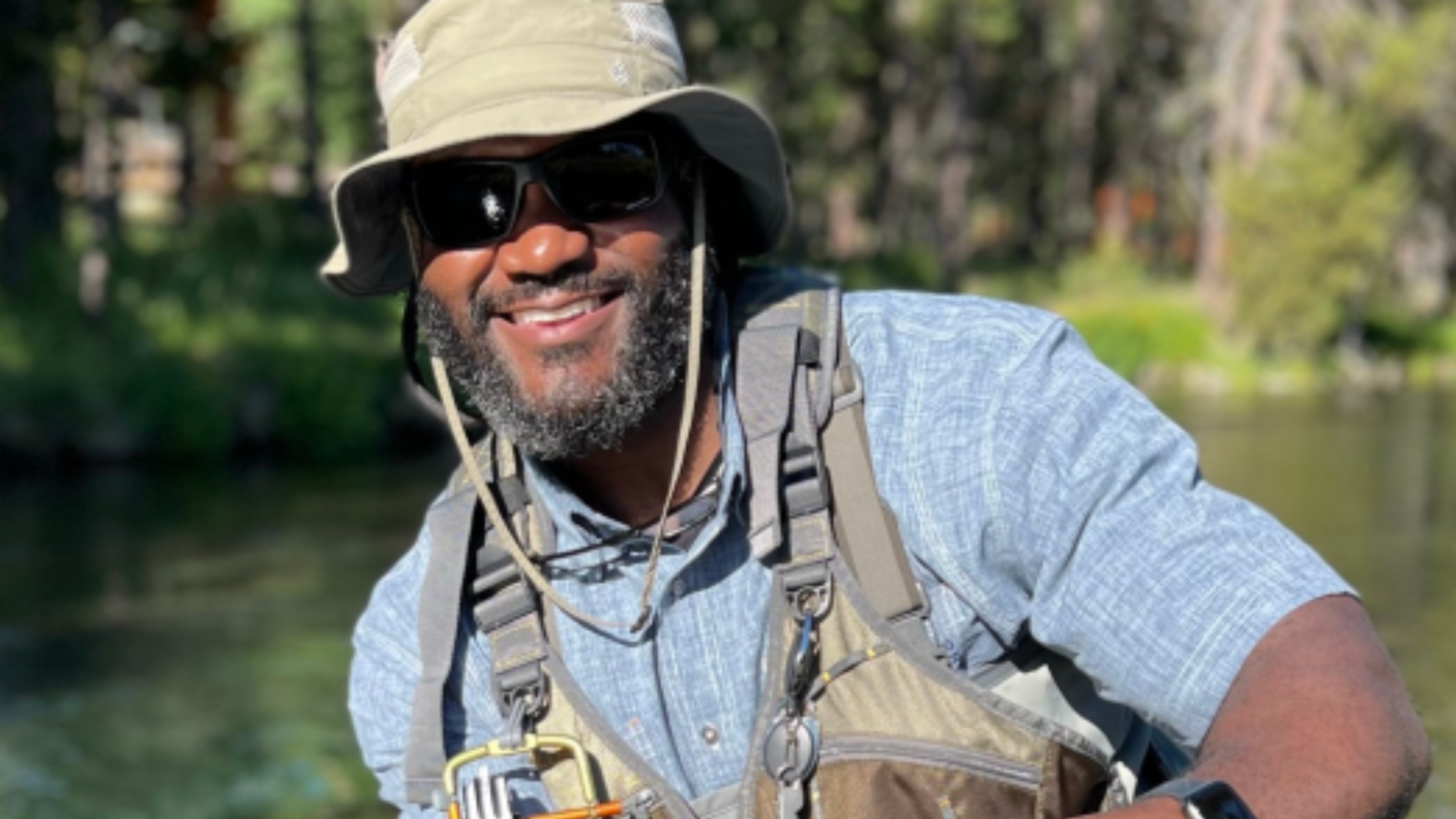
Meet your Guide Joseph
- Fishing out of Florida, Ray Charters will make you



Summary
Our Tuesday December inshore fishing trip in Boston waters delivered non-stop action as we targeted Atlantic Sharpnose Sharks in the coastal waters. The partly cloudy conditions created perfect fishing weather as we worked productive inshore spots known for consistent shark activity. Boston's winter fishing offers excellent opportunities for anglers looking to battle these powerful fighters in the shallow, warm pockets around the harbor. With all tackle provided and our local knowledge of shark movements, this guided fishing trip showcases why Boston's inshore waters remain a hidden gem for shark enthusiasts. The early morning start maximized our fishing time and put us on the water during prime feeding periods.
Fishing Charter with Joseph – Rates & Booking
Guide Joseph of Laddu Guddu on Tuesday December offers professionally guided inshore fishing trips targeting Atlantic Sharpnose Sharks and other Boston favorites. Our fishing packages include all necessary tackle, bait, and safety equipment for a successful day on the water. We focus on productive inshore locations known for consistent shark activity throughout the winter months. Early morning departures give us the best opportunity to find feeding fish while ensuring maximum comfort for our guests. Whether you're new to fishing or an experienced angler, our personalized approach ensures a memorable Boston fishing adventure.
Highlights of Fishing test
This Boston inshore fishing trip delivered exactly what we were after – a solid Atlantic Sharpnose Shark that put up an impressive fight on appropriate tackle. The partly cloudy winter day created ideal conditions for targeting these coastal predators, with the moderate temperatures keeping the bite active throughout our trip. We focused on proven techniques that work well in Boston's productive inshore waters, adapting our approach based on the shark's movement patterns.
The winter months offer some of Boston's most consistent shark fishing opportunities, with fewer boats on the water and hungry fish actively feeding in the shallows. Our early morning start positioned us perfectly to take advantage of prime feeding times, resulting in quality shark action from the moment we wet our lines. Boston's unique harbor geography creates protected pockets of warmer water that attract these sharks even during cooler months.
Local Species Insights: Atlantic Sharpnose Shark
The Atlantic Sharpnose Shark thrives in Boston's shallow, warm water pockets throughout the year. These small but mighty coastal sharks typically measure between 39 and 48 inches, weighing 7 to 9 pounds when fully grown. Their distinctive pointed snout and white spots make them easily identifiable among Boston's inshore species. When targeting Atlantic Sharpnose Sharks in Boston waters, focus on areas with structure and bait concentration, particularly during incoming tides when they actively feed. Their aggressive nature makes them exciting targets that will readily hit both live and cut baits presented near the bottom. Winter fishing can be particularly productive as these sharks congregate in deeper channels with stable water temperatures.
Plan Your Fishing Charter Day
Our Boston inshore fishing trips accommodate up to 1 guest with all necessary equipment provided. We recommend wearing comfortable, weather-appropriate clothing and bringing sun protection, even on partly cloudy days. Morning departures typically begin at 6 AM, though we can adjust timing based on seasonal conditions and tidal patterns. Our vessel is well-maintained with safety equipment exceeding Coast Guard requirements, ensuring both comfort and security throughout your trip. We provide water and light refreshments, but guests are welcome to bring additional food and non-alcoholic beverages. Photography is encouraged – just keep your phone or camera protected from spray and saltwater.
Fishing in Boston: Atlantic Sharpnose Shark

The Atlantic Sharpnose Shark (Rhizoprionodon terraenovae) belongs to the Carcharhinidae family within the order Carcharhiniformes. This smaller coastal shark species is characterized by its distinctive pointed snout and white spots along its sides, making it easily identifiable among Boston's inshore species. In Boston waters this December, these sharks provide exciting action for anglers seeking a sporting fight on light to medium tackle.
Atlantic Sharpnose Shark Overview
Atlantic Sharpnose Sharks are smaller members of the requiem shark family, typically reaching 3-4 feet in length. These coastal predators are prized by inshore anglers for their aggressive strikes and strong fighting ability despite their modest size. They're one of the more common shark species encountered in Boston's inshore fishing grounds, offering reliable action when targeting shark species.
Atlantic Sharpnose Shark Habitat and Distribution
These sharks prefer shallow, warm coastal waters including bays, estuaries, and nearshore environments with sandy or muddy bottoms. They're commonly found from New England to the Gulf of Mexico, with Boston representing the northern part of their range. During winter months in Boston, they tend to concentrate in deeper channels and holes that maintain more stable temperatures.
Atlantic Sharpnose Shark Size and Weight
Atlantic Sharpnose Sharks typically measure between 39 and 48 inches in length, with weights ranging from 7 to 9 pounds. Males generally mature at around 32 inches, while females mature at approximately 33-35 inches. Though not the largest shark species, their size makes them ideal sport fish on appropriate tackle.
Atlantic Sharpnose Shark Diet and Behavior
These opportunistic predators feed primarily on small bony fish, squid, crabs, shrimp, and occasionally small rays. They're known for their aggressive feeding behavior, often hunting in small groups and responding quickly to bait in the water. In Boston waters, they're most active during early morning and evening hours, making these prime times for targeting them.
Atlantic Sharpnose Shark Spawning Season
These sharks are viviparous, giving birth to live young after a 10-11 month gestation period. Mating typically occurs in early summer with birthing taking place the following spring. Female Atlantic Sharpnose Sharks usually produce 4-7 pups per litter. During winter months in Boston, they're often found in deeper, more stable water temperatures away from their breeding grounds.
Atlantic Sharpnose Shark Fishing Techniques
For targeting Atlantic Sharpnose Sharks in Boston waters, medium spinning tackle with 20-30lb line provides the ideal balance of sport and control. Fresh cut bait like mackerel, herring, or menhaden produces consistent results, especially when fished near bottom structure or channel edges. In December, Boston anglers find success focusing on deeper harbor channels where water temperatures remain more stable. Drift fishing with multiple baits at different depths helps locate feeding sharks, while chumming can concentrate them in your fishing area.
Atlantic Sharpnose Shark Is It Good to Eat?
Atlantic Sharpnose Sharks offer good table fare when properly handled and prepared. Their meat is mild with a firm texture, making it suitable for grilling, baking, or even in fish tacos. These sharks are relatively low in mercury compared to larger species and provide a good source of lean protein. For best results, sharks should be bled immediately after capture and kept on ice to preserve quality.
Atlantic Sharpnose Shark Frequently Asked Questions
Q: What is the best bait for Atlantic Sharpnose Sharks?
A: Fresh cut bait like mackerel, menhaden, or herring works exceptionally well. Oily fish creates a strong scent trail that attracts these sharks from distance. Fresh squid can also be effective, especially when fishing areas with squid populations.
Q: Where can I find Atlantic Sharpnose Sharks near Boston?
A: In Boston Harbor, focus on channel edges, deeper holes, and areas with structure that create current breaks. During winter months, these sharks often concentrate in deeper water with more stable temperatures, especially around harbor entrances and shipping channels.
Q: Is Atlantic Sharpnose Shark good to eat?
A: Yes, when properly handled and prepared. Their meat has a mild flavor and firm texture suitable for various cooking methods. Always bleed the shark immediately after capture and keep it iced to maintain quality.
Q: When is the best time to catch Atlantic Sharpnose Sharks in Boston?
A: Early morning and evening hours typically provide the best bite. In December, focus on warmer days with stable weather patterns and target deeper water areas that maintain more consistent temperatures.
Q: What tackle should I use for Atlantic Sharpnose Sharks?
A: Medium spinning or conventional tackle with 20-30lb test line provides the ideal balance. Use a 5/0 to 7/0 circle hook on a short wire leader to prevent bite-offs while ensuring proper hook placement for catch-and-release fishing.
Q: Are Atlantic Sharpnose Sharks dangerous?
A: While all sharks deserve respect, Atlantic Sharpnose Sharks are considered one of the less aggressive species toward humans. Their smaller size and primarily fish-based diet make them minimal risk to swimmers and anglers, though proper handling techniques should always be used.