%2Ffit-in%2F250x250%2Fguide_websites%2F3816%2Fimages%2F1707930207480gcimage.webp&w=1920&q=100)
Landed an Atlantic Sharpnose Shark Inshore in Boston
Atlantic Sharpnose Shark Inshore in Boston
4.5

16 Reviews
- 5
 69%
69% - 425%
- 3
 0%
0% - 20%
- 16%
%2F%2Fusers%2Feb120e43-02a5-428e-b5cf-75e8283853d0%2Fimages%2Fatlantic-sharpnose-shark-fishing-adventure-10129.png&w=1920&q=75)
The Atlantic Sharpnose Shark (Rhizoprionodon terraenovae) is a small but spirited member of the requiem shark family that provides excellent sport for inshore anglers. These sharks typically measure between 39-48 inches in length and weigh 7-9 pounds, making them perfect for light tackle fishing adventures in Boston's coastal waters. - Prefers shallow, warm water habitats where they hunt small fish and squid - Recognized by its distinctive pointed snout and white spots along its sides - Known for putting up surprisingly strong fights despite their modest size
Guided Fishing Trip by Guide Laddu Kumar in December
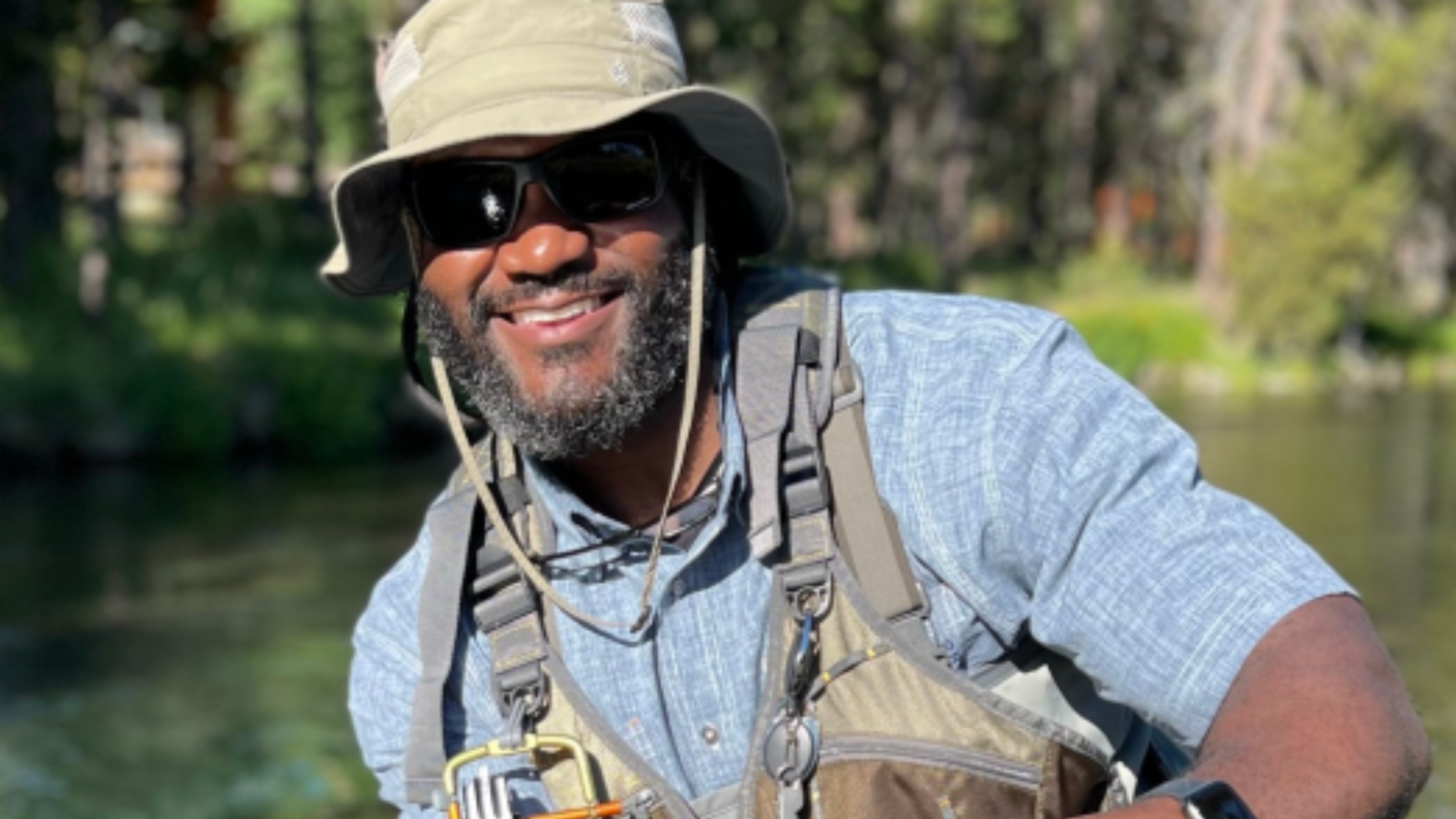
Meet your Guide Joseph
- Fishing out of Florida, Ray Charters will make you



Summary
A productive Monday November inshore fishing trip in Boston waters led to an exciting Atlantic Sharpnose Shark catch. The day started with clearing skies creating perfect conditions for our guided fishing trip. Using light tackle and live bait techniques, we focused on areas known for shark activity around Boston Harbor. The combination of drift fishing and strategic positioning paid off as we connected with this sporty species. Boston's inshore waters offer consistent action this time of year, especially when targeting sharks with our specialized approach. The Atlantic Sharpnose put up a strong fight, making for a memorable day on the water and showcasing why Boston has become a prime destination for inshore shark fishing.
Fishing Charter with Joseph – Rates & Booking
Guide Joseph of Laddu Guddu on Monday November offers a specialized inshore fishing experience targeting Atlantic Sharpnose Sharks and other species in Boston's productive waters. Our charter provides all necessary fishing equipment including light tackle setups perfect for the inshore shark fishing that makes this area famous. With years of local experience navigating Boston waters, we know exactly where to find the action while ensuring a safe, comfortable day on the water. Whether you're a seasoned angler or first-timer, our personalized approach guarantees the best possible fishing experience.
Highlights of Fishing test
Our inshore shark fishing trip delivered exactly what we promised - exciting action and quality catches. The Atlantic Sharpnose Shark we landed showcased the healthy fishery Boston offers, even late in the season. We utilized light tackle methods paired with live bait presentations that these sharks simply can't resist.
The November conditions worked perfectly in our favor with clearing afternoon skies and relatively calm seas. With the impressive Boston skyline as our backdrop, we found productive fishing grounds away from the boat traffic that can sometimes crowd these waters. The inshore shark action has been particularly strong this season, making this trip a standout example of what Boston fishing has to offer.
Local Species Insights: Atlantic Sharpnose Shark
The Atlantic Sharpnose Shark thrives in Boston's inshore waters, particularly around structure and depth changes where baitfish concentrate. These sharks respond exceptionally well to live bait presentations, though they'll also hit artificial lures when properly presented. November offers some of the year's most consistent action as these sharks feed aggressively before water temperatures drop further.
What makes Atlantic Sharpnose particularly exciting for anglers is their sporty fight on appropriate tackle. Their sharp runs and dogged resistance provide genuine excitement without requiring heavy offshore gear. While not the largest shark species, their abundance and willingness to bite make them perfect targets for consistent action during an inshore Boston fishing trip.
Plan Your Fishing Charter Day
Our fishing charter accommodates up to 1 guest with all necessary equipment provided, including quality rods, reels, and terminal tackle suited for inshore shark fishing. We typically depart early morning to maximize our fishing time, though afternoon trips can also be productive depending on conditions. We recommend bringing sun protection, camera, and any personal items you'll want for a comfortable day on the water. Our boat offers basic amenities including shade, seating, and storage for your belongings while maintaining the maneuverability needed to access Boston's best fishing spots.
Fishing in Boston: Atlantic Sharpnose Shark

The Atlantic Sharpnose Shark (Rhizoprionodon terraenovae) belongs to the Carcharhinidae family in the order Carcharhiniformes. This small coastal shark is immediately recognizable by its long, pointed snout and brownish-olive coloration with distinctive white spots on its sides. In Boston waters this November, these sharks provide exciting action for inshore anglers looking for sporty catches without needing heavy offshore tackle.
Atlantic Sharpnose Shark Overview
This small but spirited requiem shark is a favorite among light tackle anglers. Typically reaching lengths of 39-48 inches and weights of 7-9 pounds, the Atlantic Sharpnose offers surprising strength for its size. These sharks are abundant in coastal waters and are considered one of the most common small sharks along the Atlantic seaboard.
Atlantic Sharpnose Shark Habitat and Distribution
Atlantic Sharpnose Sharks prefer shallow, warm waters, typically staying within 10-20 miles of coastlines. They're commonly found around sandy bottoms, estuaries, and bay mouths where baitfish concentrate. Near Boston, they're often located around harbor entrances, deeper channels, and offshore structures where water temperatures remain suitable, particularly during warmer months.
Atlantic Sharpnose Shark Size and Weight
Typical adult specimens measure between 39 and 48 inches in length with weights ranging from 7 to 9 pounds. Males generally mature at around 32 inches while females reach maturity at approximately 33-35 inches. While not trophy-sized compared to other sharks, their abundance and fighting spirit make them popular targets.
Atlantic Sharpnose Shark Diet and Behavior
These sharks are opportunistic predators feeding primarily on small bony fishes, squid, shrimp, and crabs. They often hunt in small groups, especially when pursuing schools of baitfish. Atlantic Sharpnose are most active during dawn and dusk periods, though they'll feed throughout the day when opportunities present themselves.
Atlantic Sharpnose Shark Spawning Season
These sharks are viviparous, giving birth to live young after a 10-11 month gestation period. Mating typically occurs in early summer with females producing 4-7 pups per litter. In New England waters, pupping often happens in protected nursery areas from May through July when water temperatures reach optimal ranges.
Atlantic Sharpnose Shark Fishing Techniques
Light to medium tackle works best for these spirited fighters. Fresh cut bait like mackerel, herring or squid produces consistent results, while live baits such as small menhaden or mullet can trigger aggressive strikes. In Boston waters during November, focusing on deeper channels with moderate current flow tends to be most productive. Drift fishing with a simple fish-finder rig weighted appropriately for current conditions is particularly effective, allowing your bait to cover more territory and find feeding sharks.
Atlantic Sharpnose Shark Is It Good to Eat?
Atlantic Sharpnose is considered good table fare with firm, white meat that's relatively mild compared to other shark species. The meat contains high protein content and beneficial omega-3 fatty acids. Most anglers prepare it grilled, blackened, or in fish tacos after properly bleeding and icing the catch immediately. However, many anglers practice catch-and-release with these sharks to support conservation efforts and sustainable fishing practices.
Atlantic Sharpnose Shark Frequently Asked Questions
Q: What is the best bait for Atlantic Sharpnose Shark?
A: Fresh cut mackerel, herring, menhaden or squid typically produces the best results. Fresh bait with strong scent dispersion in the water column is key to attracting these sharks to your presentation.
Q: Where can I find Atlantic Sharpnose Shark near Boston?
A: Look for them around harbor entrances, channel edges, and areas with depth changes within 5-10 miles of shore. They prefer areas with good current flow that concentrates baitfish, particularly during warmer months through early winter.
Q: Is Atlantic Sharpnose Shark good to eat?
A: Yes, they offer white, firm flesh with a mild flavor that works well grilled, blackened or in fish tacos. Proper handling includes immediate bleeding, gutting and icing to preserve quality.
Q: When is the best time to catch Atlantic Sharpnose Shark?
A: The best time is from late spring through fall, with peak action typically occurring from July through October in the Boston area. November can still provide good opportunities before water temperatures drop too low.
Q: Do Atlantic Sharpnose Sharks fight hard?
A: Despite their modest size, they put up surprisingly spirited fights with quick runs and determined resistance. On appropriate light tackle, they provide excellent sport for inshore anglers.
Q: Are Atlantic Sharpnose Sharks dangerous?
A: They're considered one of the least dangerous shark species to humans due to their small size and teeth. However, proper handling is still important as they can inflict cuts with their teeth and rough skin.